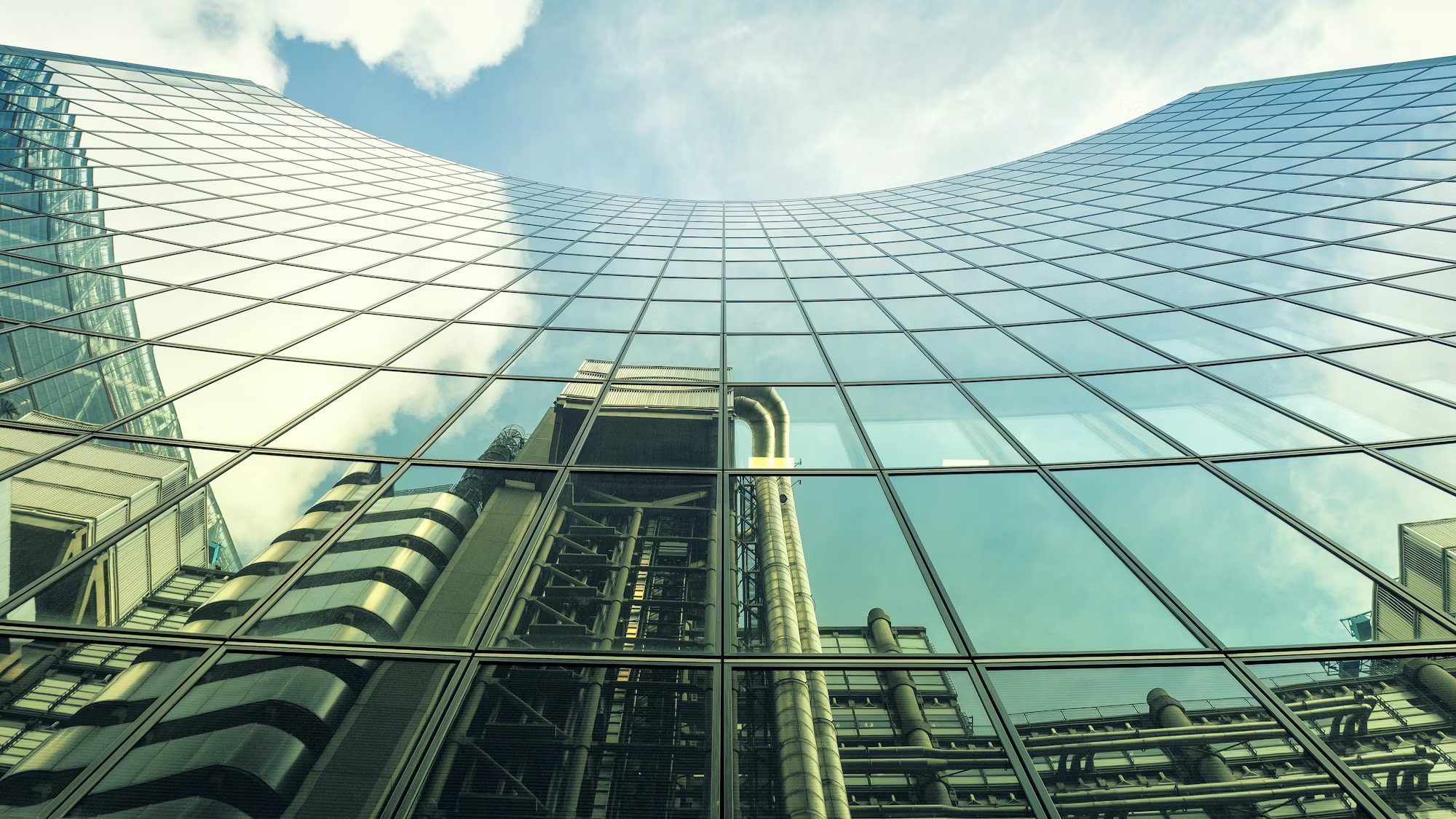
Skyscrapers have long been emblematic of human ingenuity, transforming urban landscapes and shaping the way we interact with our environments. As cities grow and evolve, so too do the designs of their tallest structures, reflecting changing architectural trends, technological advancements, and societal needs. This article delves into the evolution of skyscraper design, examining how architects and developers strive to balance aesthetic appeal with practical functionality in urban settings.
The history of skyscraper design can be traced back to the late 19th century, when advances in steel construction and the invention of the elevator allowed buildings to rise higher than ever before. The Home Insurance Building in Chicago, completed in 1885, is often considered the first true skyscraper. Its innovative use of a steel frame allowed for greater height and more flexible interior spaces, setting the stage for future designs. Architects began to experiment with the verticality of buildings, focusing on reaching new heights while also creating visually striking forms that captured the imagination.
As the 20th century unfolded, the rise of modernism brought a new philosophy to architectural design. Skyscrapers began to reflect minimalist aesthetics, emphasizing clean lines and functional forms. The Lever House in New York City, completed in 1952, exemplified this trend with its glass façade and simple geometric shapes. Such designs prioritized functionality and efficiency, often eschewing ornate details in favor of a sleek appearance. This shift was not just about aesthetics; it was also a response to the changing needs of businesses and residents in rapidly urbanizing areas.
However, the balance between form and function is not always straightforward. While minimalist designs emphasize practicality, they can also risk appearing cold or impersonal. Architects have increasingly recognized the need to create buildings that foster a sense of community and belonging. This has led to the integration of public spaces within skyscrapers, such as gardens, plazas, and retail areas. By incorporating these elements, developers can enhance the user experience, encouraging interaction and engagement among occupants and visitors alike.
In recent years, sustainability has emerged as a critical factor in skyscraper design. With growing awareness of environmental issues, architects are now tasked with creating buildings that not only serve their intended purposes but also minimize their ecological impact. This has resulted in the rise of green skyscrapers, which incorporate energy-efficient technologies, sustainable materials, and innovative designs that reduce resource consumption. Buildings such as the One Central Park in Sydney are examples of how sustainability can be woven into the fabric of skyscraper design, featuring vertical gardens and renewable energy sources that promote environmental stewardship.
Moreover, the advent of smart technology has further transformed skyscraper design. Today’s buildings are equipped with advanced systems that enhance efficiency, safety, and comfort. Automated climate control, energy monitoring, and integrated security features are just a few examples of how technology is being harnessed to improve the functionality of skyscrapers. This not only benefits occupants but also adds value for investors, making these buildings more attractive in the competitive real estate market.
The integration of technology in skyscraper design extends to user experience as well. With the rise of remote work and changing lifestyles, many modern skyscrapers now offer flexible spaces that can be adapted for various uses. Open floor plans, co-working areas, and multifunctional rooms cater to diverse needs, making skyscrapers not just places to work or live, but vibrant communities that promote collaboration and creativity.
In addition to functional considerations, aesthetic appeal remains a crucial aspect of skyscraper design. Architects are constantly pushing the boundaries of creativity, experimenting with shapes, materials, and colors to create visually stunning structures that stand out in the skyline. Iconic buildings such as the Burj Khalifa in Dubai and the Shanghai Tower have become symbols of their respective cities, attracting tourists and fostering a sense of pride among residents.
Cultural influences also play a significant role in shaping skyscraper design. Different regions and countries have their unique architectural styles and traditions, which influence how skyscrapers are conceived and constructed. For instance, in Asian cities, the blending of traditional aesthetics with modern technology has resulted in remarkable designs that reflect cultural heritage while embracing contemporary needs. The Taipei 101 in Taiwan is a prime example, showcasing traditional pagoda-like elements while incorporating cutting-edge engineering techniques.
The globalization of architecture has also led to the proliferation of skyscraper designs that draw inspiration from various cultures. Architects today are more likely to collaborate across borders, exchanging ideas and techniques that enrich the design process. This has resulted in an exciting fusion of styles that reflect a more interconnected world, as buildings embody a blend of local and global influences.
As we look to the future, the evolution of skyscraper design will undoubtedly continue to be shaped by emerging trends and societal shifts. The ongoing quest for sustainability, technological innovation, and a deeper understanding of user experience will guide architects and developers as they create the next generation of skyscrapers. With increasing urbanization and population growth, the need for efficient, functional, and aesthetically pleasing structures will only become more pronounced.
Ultimately, the balance between aesthetics and functionality will remain at the forefront of skyscraper design. Successful buildings will be those that not only soar to new heights but also resonate with their occupants and the communities they serve. By embracing sustainability, technology, and cultural diversity, the skyscrapers of tomorrow will stand as testaments to human creativity and adaptability in an ever-changing urban landscape. In this way, they will not only define skylines but also contribute meaningfully to the fabric of city life, fostering connections and enriching the urban experience.